Pain Pattern
Sharp pain or a popping sensation in the knee, ankle, or shoulder area at the time of injury is usually an indication of a tear.
Restore Stability, Prevent Reinjury, & Return With Confidence By Dr. Kuldeep Malik
Ligaments Are Strong Bands Of Tissue That Support Joints And Control Their Movements. When One Ligament Tears, The Joint Becomes Unstable, Which Can Cause Instability, The Possibility Of Re-injury, And Restrictions On Movement. Whether It’s The Knee, Ankle, Or Shoulder, Ligament Injury Left Untreated Can Strongly Damage The Joint In The Long Run.
It Is Essential To Identify The Problem Early And Correctly To Protect The Joint From Further Damage. A Quick And Thorough Diagnosis Provides An Opportunity To Treat The Problem Before Chronic Instability Takes Root. At Max Healthcare, Dr. Kuldeep Malik Focuses On Understanding The Severity Of The Injury And Developing A Clear Plan To Regain Joint Stability And Smooth Movement.
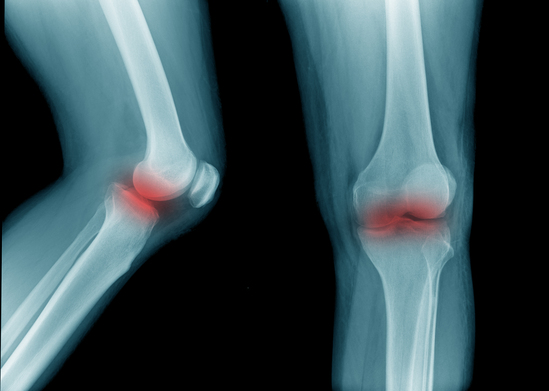
Ligament injuries always present with obvious symptoms that you should not ignore.
Sharp pain or a popping sensation in the knee, ankle, or shoulder area at the time of injury is usually an indication of a tear.
Rapid swelling and the feeling that the knee, ankle, or shoulder is wobbly or loose is a sign that the joint support has been compromised.
Noticing that the joint gives way repeatedly when walking, climbing stairs, or during physical activities is an indication that the joint is not being held in place.
Difficulty regaining normal joint movement or feeling loose after the initial rest period is a red flag that requires immediate attention.
Each ligament damage is evaluated in a meticulous and informed manner.
A detailed physical examination and stress tests identify the ligament and the mechanism of injury.
The type of tear is classified as partial or full. This classification system determines whether non-surgical rehabilitation or ligament reconstruction is required.
An MRI and functional analysis verify the severity of the injury and assess any cartilage or meniscal damage, if applicable.
The treatment plan seeks to regain joint stability, manage pain and swelling, and develop a plan for returning to normal activities or sports.
Some partial tears heal with rehabilitation, but complete unstable tears frequently need reconstruction.
It varies by ligament and severity, with a phased rehab plan tailored to recovery milestones.
Early diagnosis improves outcomes. Speak with Dr. Kuldeep Malik for the right next step.
Start Treatment Plan