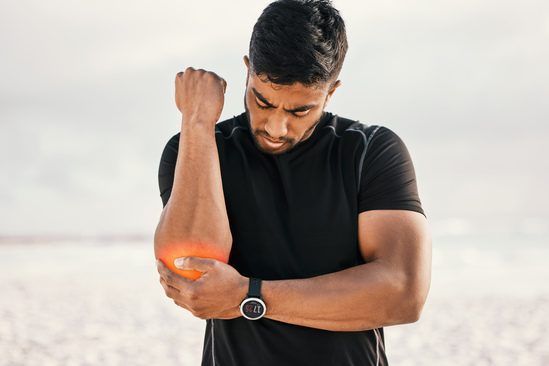
As we get older, our bodies change, including our joints. Lots of people first notice occasional stiffness or slight pain in their knees around age 40. While this can be typical, these symptoms don't always indicate certain joint trouble down the line.
Here's the positive part: keeping knees and hips healthy usually means adopting easy habits that support joint health and prevent excess wear and tear. Taking these steps now can help protect your joints, keep you active, and improve your chances of enjoying better mobility longer.
If you're dealing with some mild discomfort or just want to avoid future issues, knowing how to take care of your knees and hips after turning forty-years-old can really impact your health for the better.
Why Joint Health Becomes More Important After 40
The knee and hip joints are some of the most hardworking parts in our bodies. We place pressure on them with every step, climb, bend, or move we make.
As we get older, the normal aging process causes wear and tear. The joint cartilage wears down gradually, muscles become weaker, and flexibility decreases. It takes tissues longer to heal too, and the risk of arthritis goes up.
Even if we can't slow aging, lots of factors leading to joint issues can be controlled with good lifestyle choices. Starting joint protection early improves your odds of staying comfy, mobile, and independent as you age.
Maintain a Healthy Weight
One of the most effective ways to protect your knees and hips is to maintain a healthy body weight.
Why Weight Matters
The knee and hip joints support our weight all day long. When we carry extra pounds, it puts more pressure on these joints, boosting stress on the cartilage and nearby tissues.
Research shows that excess weight speeds up joint wear and raises osteoarthritis risk.
Losing even a little bit of weight can noticeably lower the strain on your knees and hips as you move around each day.
Benefits of Weight Management
Staying at a healthy weight is good for you because it lessens joint stress and cuts down the risk of osteoarthritis. It also boosts mobility and lowers inflammation and joint pain. To keep fit and healthy joints, eating well and exercising regularly are a must. This combo helps control weight over the long haul and keeps your joints feeling great.
Stay Physically Active
Lots of people think protecting their joints means staying still, but they're wrong. Moving regularly is actually super important for keeping your joints in good shape.
How Exercise Supports Joint Health
Exercise is good for you because it strengthens muscles that support your joints, as well as improving flexibility at the same time. It also helps maintain balance and coordination, promotes healthy blood flow, and reduces stiffness. Plus, it supports weight management.
Building up the muscles around your knees and hips acts like a natural cushion, lessening the pressure on those joints.
Choose Joint-Friendly Activities
Low-impact exercises are great for keeping your joints healthy after you turn 40. Think about walking, swimming, cycling, yoga, stretching, and water aerobics. These activities boost mobility while being gentle on your joints.
Avoid Sudden Increases in Activity
When you start working out, ramp up the intensity slowly. Going too hard or too fast could hurt your muscles and joints. Steady effort works better than random intense workouts.
Pay Attention to Your Posture
Good posture is often ignored when talking about joint health, yet it seriously helps in taking the strain off your knees, hips, and spine.
The Impact of Poor Posture
Incorrect posture changes your body alignment and puts extra pressure on your joints. Slouching while sitting, standing lopsided on one leg, and not moving when you're sitting too long all make a difference. Not to mention, using poor lifting techniques or setting up your workspace wrongly.
These things might seem small, but over time they cause discomfort and boost your chances of getting joint issues.
Simple Posture Tips
To help keep your joints healthy, sit with a straight back, and make sure your feet touch the ground. Don't forget to use your legs when lifting heavy stuff.
For standing, just relax your shoulders, and try not to stay in one position for too long.
Taking little breaks to move around is also key while working at a desk. These minor tweaks really matter for your joints in the long run.
Ensure Adequate Calcium Intake
Calcium is essential for maintaining strong and healthy bones, which provide the foundation for healthy joints.
Why Calcium Matters
As we get older, our bones naturally start to lose density. Not getting enough calcium makes weak bones and fractures more likely, especially in elders.
Healthy bones support joints and help us move freely.
Good Sources of Calcium
Foods packed with calcium are milk, yogurt, and cheese, along with green leafy veggies and almonds. Plus, some fortified foods have it too. Eating a balanced diet with these calcium-rich foods keeps your bones and joints healthy.
Don't Ignore Vitamin D
Vitamin D works closely with calcium by helping the body absorb and utilise it effectively.
The Role of Vitamin D
Without enough vitamin D, having plenty of calcium might still not do much good. Vitamin D helps bones get strong, boosts muscle performance, and supports joints. It also cuts down on falls and improves how mobile you are overall.
Sources of Vitamin D
You can get vitamin D from the sun, fortified foods, fatty fish, and supplements. Many grownups have low levels and don't know it, so regular check-ups are very important.
Build Strength Around Your Joints
Strong muscles play a critical role in protecting the knees and hips.
Why Muscle Strength Matters
Your muscles around the joints help absorb shock, improve stability, support balance, reduce cartilage strain, and lower injury risk. If they're weak, your joints have to handle more stress during everyday stuff, which could speed up wear and tear.
Focus on Functional Strength
Working out the quad, hamstring, glute, and core muscles is really helpful. It bolsters joints and makes movements smoother. Talk to a physiotherapist or orthopaedic for exercises that fit your fitness and joint needs.
Listen to Your Body
Many joint conditions develop gradually, and the body often provides warning signs long before serious problems occur.
Symptoms You Should Not Ignore
If you experience constant knee or hip pain, notice morning stiffness, or see joint swelling, something could be off. If it gets harder—walking can become tough, and your joints might feel stiff and even click or lock sometimes.
Pain during regular activities is another sign. Ignoring these symptoms lets issues like arthritis or joint degeneration get worse.
Getting help early from a doctor usually leads to better results, so don't put it off.
Avoid a Sedentary Lifestyle
Modern lifestyles frequently involve prolonged sitting, whether at work, during travel, or while using electronic devices.
How Prolonged Sitting Affects Joints
Sitting still for too long isn't good, even if you work out often. It leads to joint stiffness, weak muscles, worse circulation, poor posture, and less flexibility. That's why, it's important to move around throughout the day to stay healthy.
Stay Active Throughout the Day
Little habits can actually make a big difference.
Try standing and stretching every hour, take short walks on your breaks, and use the stairs whenever you can. Moving more throughout the day keeps those joints healthy and lubricated, helping them work their best.
Schedule Regular Orthopaedic Check-Ups
Preventive healthcare is one of the most effective tools for preserving joint health.
Why Regular Check-Ups Matter
Routine checks can spot early arthritis, joint wear, muscle imbalances, mobility problems, and bone health worries. Many joint issues are easier to handle when caught early on.
Who Should Consider Regular Evaluations?
If you're over 40, have a family history of arthritis, or are overweight, consider regular check-ups with an orthopaedist. High-impact athletes and folks with previous joint injuries or recurring pain should see one too. These visits can stop small issues from turning into big problems down the road.
Small Daily Habits That Make a Big Difference
Protecting your knees and hips doesn't need huge life changes. Simple things you do each day can really bring a change over time.
First off, keep a healthy weight and stay active. Also, build up muscles around your joints and make sure you have good posture.
Diet matters as well, eat lots of calcium and make sure you get enough vitamin D. Sitting in place for long periods isn't good either.
And if pain persists, consult a doctor. When you follow these tips consistently, they can help keep your joints working well and boost your quality of life.
Final Thoughts
Having healthy joints is key to staying active and independent as we age past 40. Though getting older takes a natural toll on our bodies, we can delay or manage joint issues with the right habits.
Maintaining a healthy weight, exercising regularly, having good posture, eating balanced meals, and scheduling check-ups can lower your risk of knee and hip troubles down the road.
Should you run into ongoing joint pain or stiffness, don't wait—see an orthopaedic specialist like Dr. Kuldeep Malik. Early diagnosis can prevent bigger issues and ensure your joints stay healthy for longer.
Leave a Comment