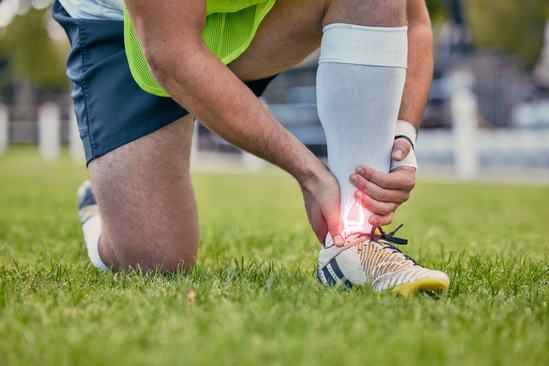
Whether you are an athlete, a fitness aficionado, or simply like engaging in sports recreationally, being physically active is an essential component of good health. However, when playing a sport or exercising, the strain placed on the muscles, tendons, bones, and joints is high, which can lead to various sports injuries.
The misconception surrounding sports injuries is that they are generally minor and require little to no medical attention to heal. Although there are cases where a person can recover from mild strains, avoiding treatment can sometimes have adverse effects.
Knowing about sports injuries and seeking prompt orthopaedic treatment can help one get back to enjoying their favorite pastime activities.
Understanding Sports Injuries
The reason for any sports injury is that the excessive force, abrupt movement, repetition of an action, or impact results in tissue damage in the body.
An injury may be sudden in case of accidents such as falling down or colliding; however, some sports injuries result due to repetitive motion of a certain activity or action over time.
In any case, the injury requires a detailed examination to avoid more harm to the body and ensure full recovery.
Common Sports Injuries
Different types of sports injuries may occur based on the type of sport being played. Some examples of the common orthopaedic injuries that are often seen include:
Ligament Sprains/Tears
These types of tissues connect two bones together, thereby keeping the joint stable. Any forceful twisting, landing improperly, or sudden impact may lead to the ligament becoming torn or sprained.
An ACL tear (anterior cruciate ligament) is one such example that is seen in activities that involve jumping and sudden turning motions.
Some symptoms of ligament tears include:
- Popping sensation
- Pain
- Swelling
- Instability of joint
- Inability to bear weight on the leg
If not treated properly, ligament tears may cause joint instability in the long run.
Sprains
This is an injury that occurs to a ligament after stretching or tearing of the ligament. Sprained ankles are among the most frequent sports-related injuries, although sprains may occur in other body parts besides the ankle.
Some of the symptoms include:
- Pain in the area of the joint
- Swelling
- Bruises
- Sensitivity to touch
- Problems using the injured joint
While mild sprains may be managed without surgery, severe sprains need medical intervention to evaluate whether there are any serious ligament problems.
Injury to the Meniscus
This is the rubber-like cartilage found inside the knee joint that acts as a shock absorber. Tears in the meniscus are caused by twisting, abrupt changes in direction, or strong impacts on the knee.
Injuries to the meniscus are prevalent in activities like football, basketball, cricket, and tennis.
Some of the common symptoms include:
- Pain in the knee
- Swelling of the knee joint
- Feeling that the joint has "locked" up or caught
- Limited range of motion in the knee joint
Injuries to the Shoulder Joint
Because of its mobility, the shoulder joint is highly susceptible to injury from physical activity.
This may include conditions such as:
- Injuries to the rotator cuff
- Shoulder impingement syndrome
- Tendinitis
- Joint instability
- Dislocated shoulder
Never ignore shoulder pain that interferes with strength and movement.
Knee Pain and Injury Due to Overuse
Injuries to the knee joint do not always result from acute trauma. Chronic irritation may produce symptoms of:
- Patellar tendonitis
- Runner's knee
- Joint irritation
- Muscular imbalance
- Knee inflammation
It is common for athletes to continue training with some knee pain without knowing they have an injury.
Signs That Require Orthopaedic Evaluation
Although some soreness after exercising is common, there are certain signs and symptoms that suggest the necessity of visiting a physician.
Consult an orthopaedist if you have:
Chronic Pain
Prolonged pain that does not improve with adequate resting is a cause for concern.
Severe Swelling
Severe swelling always suggests that there might be damaged tissues.
Joint Instability
A sensation of joint weakness that makes one feel like it will 'pop out' when moved is never healthy.
Decreased Range of Motion
Inability to bend, extend, lift, or rotate a joint usually means that tendons, ligaments, cartilage, and bone are injured.
Multiple Joint Injuries
Frequent injuries in the same place can mean that there is an underlying problem.
Impairment of Daily Activities
Painful inability to take part in sports and do regular chores necessitates a professional diagnosis.
Why Timely Orthopaedic Care Matters
One of the biggest mistakes athletes commit is neglecting their health in an attempt to wait until their symptoms go away on their own.
There are many reasons why athletes should seek medical treatment right away when they notice any issues in their body.
Firstly, it enables accurate diagnosis and allows the physician to choose the best approach in the process of management.
Further Injury Protection
If athletes continue participating in sports without addressing the problem that might lead to a serious injury.
For instance, an athlete's untreated ligament injury will increase the possibility of suffering from cartilage injury as well as early-onset arthritis.
Rapid Recovery
In addition, early medical assistance will provide for quicker recovery since the injury will not progress further.
Prevention of Developing Chronic Pain
Furthermore, chronic pain due to the inflammation that developed because of untreated injury may persist in the future.
Joint Health Maintenance
Finally, protection of joints at an earlier stage will ensure joint longevity.
Treatment Options for Sports Injuries
Different treatments apply based on the extent and nature of the injury.
A specialised orthopaedic doctor might recommend:
Activity Modification
The decrease or avoidance of activity which triggers the condition ensures proper healing of the affected tissue.
Physiotherapy
Rehabilitation exercises will enable the regain of strength, balance, range of movement and joint stability.
Medications
Anti-inflammatory medication can assist in managing the pain and swelling that comes about.
Braces and Supports
Use of supportive braces stabilises the joint preventing additional strain.
Injection Therapy
This involves specialised injections which assist in minimising pain and inflammation.
Minimally Invasive Techniques
These involve Arthroscopy of torn ligaments, meniscal or cartilaginous injuries when conservative measures fail.
The objective remains constant; ensuring the regain of joint mobility without affecting the individual’s active lifestyle.
Returning to Sports Safely
Most athletes would like nothing more than to get back to playing their chosen sport as soon as possible. Unfortunately, an early return can lead to increased risks of re-injury and slower healing.
A return to action should always include:
Healing
The injured tissue requires ample time to heal before resuming activity.
Strength Restoration
Muscles around the injury should be strong enough for the necessary work.
Range of Motion
Movement in the joint should be easy and pain-free.
Stability
Balance and control are important to prevent further injury.
Medical Clearance
An orthopaedic or physiotherapy professional can advise when it’s safe to start training.
A rehabilitation program may even improve performance in the future.
Tips to Prevent Sports Injuries
Not all injuries can be prevented; however, there are precautions which will minimise your chances of getting an injury.
- Warm-up before performing any physical exercises.
- Exercise using correct technique.
- Gradually increase your training.
- Wear sports equipment.
- Stay flexible and strengthen your muscles.
- Get enough recovery time from one training to another.
- Correct minor injuries to prevent bigger troubles.
- Pay attention to body signals.
Prevention is probably the best way to be physically active and healthy.
Final Thoughts
Sports injuries are common and may affect any individual irrespective of age, fitness, or level of expertise. Although some injuries might appear trivial at first, failing to seek medical attention could result in delayed recovery and future complications including damage to joints.
In cases of sprains, meniscus damage, ligament tears, shoulder issues, and knee pain, orthopaedic intervention becomes important for correct diagnosis, treatment, and safety.
Seeking professional assistance from a qualified orthopaedist such as Dr. Kuldeep Malik can enable one to make a quick recovery and remain healthy.
Comments
testing
test