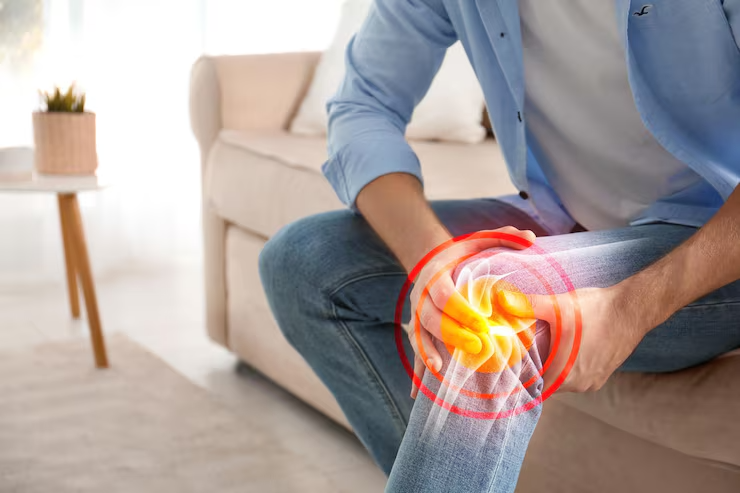
Pain in the knee joint is among the most frequent health problems experienced by individuals of any age group. Be it young athletes, employed persons, or older people, many have suffered from knee pain in their lifetime. While in some instances, the problem resolves itself after some period of time, in other cases, it could indicate that there is an orthopaedic issue requiring medical care.
Not taking care of knee pain on time might impact your mobility as well as interfere with your daily activities negatively.
Understanding Knee Pain
The knee joint is among the largest and significant joints of the body. This joint plays a significant role in holding up body weight and balancing when running, walking, or sitting. The knee joint is prone to damage due to the constant pressure it holds.
The knee joint may be affected by sudden injury, age, or gradual use of the joint and underlying medical conditions related to joint problems.
Common Causes of Knee Pain
There are various factors that can cause knee pain. Some of the most common factors causing knee pain include:
Osteoarthritis
One of the common causes of knee pain among adults is osteoarthritis. This condition develops due to wear-and-tear on the knee joint's cartilage resulting in pain, swelling, stiffness, and reduced mobility.
Ligament Injury
Injuries to the ligaments such as anterior cruciate ligament and medial collateral ligament usually result from sports-related injuries or from twisting the knee in an unnatural way. Such injuries lead to knee swelling and instability.
Meniscal Tear
Meniscus refers to the rubbery pad between the bones of the knee joint that helps reduce impact during weight-bearing. Meniscal tears occur either through trauma during sports or through degeneration as a person ages.
Tendonitis
This is inflammation of the tendons around the knee joint resulting from continuous use of the joint through activities such as running and jumping.
Bursitis
The bursa is a small sac filled with fluid to prevent friction at the joint areas. Inflammation at the joint may lead to swelling and pain within the knee area.
Rheumatoid Arthritis
Rheumatoid arthritis is an immune disorder that involves the joint areas. Swelling and pain may occur if the disease is not treated in good time.
Warning Signs You Should Not Ignore
Most individuals attempt to treat their knee pain through the use of natural methods, pain sprays, or just by not moving at all. It is possible that pain will dissipate through rest in some cases. However, there are certain signs that you should never ignore.
Prolonged Pain
Pain in your knees that lasts more than several days or occurs repeatedly needs to be seen by a doctor.
Swelling and Stiffness
Recurrent knee swelling, warmth around the affected joint, or stiffness when standing up from a rested position can signify that something is wrong with your joints or bones inside.
Trouble Walking and Moving Around
If your knees cause difficulties with walking, climbing stairs, standing upright, and doing other things during the day, see your orthopaedist.
Limited Joint Movement
Not being able to completely bend or straighten your joint is another sign of damage or degeneration of cartilage or ligaments.
Unstable Knee
The sensation of the knee “giving away” or failing to support the body’s weight might be an indication of ligament damage or muscle weakening.
Clicking/Knocking Sensation
Popping noises in the knee joint or the locking up of the knee joint should be an indication for the possible tearing of the meniscus or damaged cartilage.
Injury-Related Pain
Any type of pain experienced in the knee as a result of a fall or twist should be taken seriously as a possible fracture or ligament injury.
When Home Care Is Not Enough
Basic self-help strategies like rest, use of ice, compression, and elevation can be used to relieve symptoms of a mild knee strain. However, if home care fails when:
- The pain persists beyond a few days
- The swelling continues or gets worse
- Walking becomes difficult and painful
- Pain causes sleep problems and disruption of other daily activities
- Pain relief medications do not work anymore
- Stiffness in the knee joint increases
- Symptoms persist despite adequate rest
Then further worsening of the condition will require proper professional medical attention.
Why Early Diagnosis Matters
Early identification is one key aspect that helps protect knees from potential complications. Some of the problems in the knee can be easily diagnosed early and treated.
Seeking advice from the orthopaedic surgeon early can result in the following:
Prevention of Further Injuries
The condition left untreated will cause cartilage, ligament, and other tissues to degenerate causing pain and other related problems.
Restoration of Movement and Mobility
An effective treatment approach will ensure that joint mobility and functions are restored back to normal.
Effective Pain Treatment
Diagnosis will allow medical experts to prescribe appropriate treatment and not only offer pain treatment options.
Prevention of Serious Surgeries
Some cases require simple treatments such as medicines, exercises, and other minimally invasive methods, avoiding major surgeries.
Quick Rehabilitation and Recovery
Problems identified earlier have more opportunities for successful recovery.
How an Orthopaedic Doctor Can Help
The orthopaedic doctor diagnoses the condition of the patient's knee using physical examination, history, and diagnostic tests where needed. The treatment includes:
- Pain medication and anti-inflammatories
- Physiotherapy and muscle strengthening exercise
- Advice about lifestyle changes and weight management
- Knee brace or support
- Injections
- Arthroscopic surgery
- Surgical options in case of advanced condition
The objective is always to provide pain relief, improved mobility and assist in getting back to normal life.
Final Thoughts
Knee pain must never be taken as something common with age and everyday activities. Though temporary pain may get better when the patient rests, pain that is severe and/or persistent needs to be seen to by a competent medical professional. Your body will let you know when something is wrong, and visiting a good orthopaedist will ensure that no further harm is caused.
When knee pain causes problems with your mobility and/or reduces your confidence, you can contact an expert orthopaedist like Dr. Kuldeep Malik for advice on how best to go about treatment.
Comments
Testing
OK
test
test
tte